
Showing 0 products
Frequently Asked Questions
What are machine guards and their purpose?
Machine guards are safety devices designed to protect workers from injuries associated with machinery operation. They serve as barriers or protective enclosures that prevent contact with moving parts, flying debris, or other hazards. The primary purpose of machine guards is to ensure the safety of operators and nearby personnel by minimizing the risk of accidents such as entanglement, crushing, shearing, or cutting.
There are several types of machine guards, each tailored to specific machinery and operational needs:
Fixed Guards: These are permanent barriers attached to the machine, providing a consistent level of protection. They are ideal for machines with infrequent maintenance needs.
Interlocked Guards: These guards are connected to the machine's control system. If the guard is opened or removed, the machine automatically shuts down, preventing operation until the guard is replaced.
Adjustable Guards: These can be modified to accommodate different sizes of materials or workpieces, offering flexibility while maintaining safety.
Self-Adjusting Guards: These automatically adjust to the size of the material being processed, providing protection without manual intervention.
Machine guards are essential for compliance with safety regulations and standards, such as those set by OSHA (Occupational Safety and Health Administration) in the United States. They help reduce workplace injuries, enhance productivity by minimizing downtime due to accidents, and protect the company from legal liabilities.
In summary, machine guards are critical components in industrial safety, designed to protect workers from the inherent dangers of machinery operation by preventing accidental contact with hazardous machine parts.
How do machine guards ensure safety in industrial settings?
Machine guards ensure safety in industrial settings by providing a physical barrier between workers and hazardous machine parts, thereby preventing accidental contact that could lead to injuries. They are designed to protect against various risks such as moving parts, flying debris, and sparks. Guards can be fixed, adjustable, or self-adjusting, depending on the machine's operation and the level of access required for maintenance or operation.
Fixed guards are permanent parts of the machine and provide the highest level of protection by completely enclosing dangerous areas. They are ideal for machines that do not require frequent adjustments. Adjustable guards can be modified to accommodate different sizes of stock, offering flexibility while maintaining safety. Self-adjusting guards automatically move to cover the hazardous area as the machine operates, providing protection while allowing for material feed.
Machine guards also help in reducing the risk of human error by clearly delineating safe zones and dangerous areas. They often come with interlocking systems that prevent the machine from operating unless the guard is in place, ensuring that workers cannot bypass safety measures. Additionally, some guards are equipped with sensors that can detect human presence and automatically shut down the machine to prevent accidents.
By minimizing direct contact with moving parts, machine guards also contribute to reducing the risk of entanglement, crushing, and amputation. They are an essential component of a comprehensive safety program, which includes training workers on proper machine operation and maintenance, regular safety audits, and adherence to regulatory standards. Overall, machine guards are crucial in creating a safer work environment, reducing workplace injuries, and ensuring compliance with occupational safety regulations.
What are the different types of machine guards available?
Fixed Guards: These are permanent parts of a machine, providing a barrier between the operator and the moving parts. They are simple, reliable, and require no maintenance but can limit access for maintenance and adjustments.
Interlocked Guards: These guards are connected to the machine's control system. When the guard is opened or removed, the machine automatically stops. They allow for easy access when necessary but require careful design to ensure safety.
Adjustable Guards: These can be manually adjusted to accommodate different sizes of stock or workpieces. They provide flexibility but require regular adjustments and checks to ensure they are correctly positioned.
Self-Adjusting Guards: These guards automatically adjust to the size of the stock entering the danger area. They offer convenience and safety but may not provide as much protection as fixed or interlocked guards.
Automatic Guards: These are designed to move into place automatically when the machine is in operation and retract when it is not. They offer high protection but can be complex and costly.
Presence-Sensing Devices: These include light curtains, pressure-sensitive mats, and other sensors that detect the presence of a person or object in a dangerous area and stop the machine. They provide high safety levels but require regular maintenance and testing.
Two-Hand Controls: These require the operator to use both hands to start the machine, ensuring they are clear of the danger zone. They are effective but can slow down operations.
Pullback and Restraint Devices: These use cables or straps to physically restrain or pull back the operator's hands from the danger area during machine operation. They require proper adjustment and maintenance to be effective.
How are machine guards installed and maintained?
Machine guards are installed and maintained through a systematic process to ensure safety and compliance with regulations.
Installation:
- Assessment: Identify hazards and determine the type of guard needed (fixed, interlocked, adjustable, or self-adjusting).
- Selection: Choose guards that meet safety standards and are appropriate for the machine's operation.
- Design: Ensure guards do not create additional hazards and allow for safe operation and maintenance.
- Installation: Securely attach guards to the machine, ensuring they cover all hazardous areas without interfering with machine operation.
- Testing: Verify that guards function correctly, do not impede machine performance, and are tamper-resistant.
Maintenance:
- Regular Inspections: Conduct routine checks to ensure guards are in place, undamaged, and functioning properly.
- Cleaning: Keep guards free from debris and contaminants that could impair their function.
- Repairs: Promptly fix or replace damaged or malfunctioning guards to maintain safety.
- Adjustments: Modify guards as necessary to accommodate changes in machine operation or to improve safety.
- Documentation: Maintain records of inspections, maintenance activities, and any modifications made to the guards.
- Training: Ensure operators and maintenance personnel are trained on the importance of guards and how to handle them safely.
By following these steps, machine guards can effectively protect workers from injury while maintaining operational efficiency.
What materials are commonly used for machine guards?
Common materials used for machine guards include:
Metal:
- Steel: Known for its strength and durability, steel is often used for fixed guards and barriers. It can withstand high impact and is suitable for environments where heavy machinery is used.
- Aluminum: Lighter than steel, aluminum is used for guards that require frequent removal or adjustment. It offers good corrosion resistance and is easier to machine.
Plastic:
- Polycarbonate: This is a strong, impact-resistant plastic often used for transparent guards, allowing visibility while providing protection. It is lightweight and can withstand high impact.
- Acrylic: Similar to polycarbonate but less impact-resistant, acrylic is used where transparency is needed, and the risk of impact is lower.
Mesh:
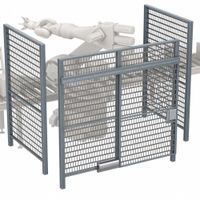
- Wire Mesh: Made from steel or other metals, wire mesh guards provide visibility and ventilation while preventing access to hazardous areas. They are often used in areas where cooling is necessary.
Composite Materials:
- These materials combine different substances to enhance properties like strength, durability, and resistance to environmental factors. They are used in specialized applications where specific performance characteristics are required.
Rubber and Foam:
- Used for padding and edge protection, rubber and foam materials help absorb impact and reduce noise. They are often applied to the edges of guards to prevent injury from sharp edges.
Glass:
- Safety Glass: Laminated or tempered glass is used in environments where chemical resistance and visibility are important. It is less common due to its weight and fragility compared to plastics.
These materials are selected based on factors like the type of machinery, the environment, safety standards, and the need for visibility or ventilation.
How do machine guards comply with safety regulations?
Machine guards comply with safety regulations by adhering to standards and guidelines set by organizations such as OSHA (Occupational Safety and Health Administration) and ANSI (American National Standards Institute). These regulations ensure that machine guards are designed, installed, and maintained to protect workers from hazards such as moving parts, flying debris, and electrical risks.
Design and Construction: Machine guards must be designed to prevent contact with dangerous parts. They should be made of durable materials that can withstand operational conditions and potential impacts. The design should not create additional hazards, such as sharp edges or pinch points.
Fixed and Adjustable Guards: Fixed guards are permanent and provide a barrier between the worker and the machine. Adjustable guards can be moved to accommodate different operations but must be securely fastened during use to prevent accidental removal or displacement.
Interlocking Guards: These guards are connected to the machine's control system and prevent the machine from operating unless the guard is in place. This ensures that the machine cannot be used without the necessary safety measures.
Self-Adjusting Guards: These automatically adjust to the size of the stock entering the danger area, providing protection while allowing for flexibility in operation.
Regular Maintenance and Inspection: Compliance requires regular inspection and maintenance of machine guards to ensure they remain effective. Any damaged or malfunctioning guards must be repaired or replaced promptly.
Training and Awareness: Workers must be trained on the importance of machine guards and how to use them properly. This includes understanding the risks associated with bypassing or tampering with guards.
By following these guidelines, machine guards help ensure a safe working environment, reducing the risk of accidents and injuries in compliance with safety regulations.
Can machine guards be customized for specific machinery?
Yes, machine guards can be customized for specific machinery. Customization is often necessary to ensure that the guards fit the unique dimensions and operational requirements of different machines. This process involves designing guards that accommodate the specific hazards associated with a machine, such as moving parts, sharp edges, or high temperatures. Custom guards can be tailored to fit the machine's size, shape, and function, ensuring optimal safety and efficiency.
Custom machine guards are typically made from materials that suit the machine's environment, such as metal, plastic, or composite materials, and can include features like visibility panels, access doors, or quick-release mechanisms for maintenance. The customization process often involves collaboration between engineers, safety experts, and manufacturers to ensure that the guards meet regulatory standards and provide adequate protection without hindering the machine's operation.
Additionally, custom guards can be designed to integrate with existing safety systems, such as emergency stop buttons or interlocks, enhancing overall safety. They can also be tailored to accommodate specific operational needs, such as allowing for easy cleaning or maintenance access, which is crucial in industries like food processing or pharmaceuticals.
Overall, the customization of machine guards is a critical aspect of industrial safety, ensuring that each machine is equipped with the most effective protective measures tailored to its specific risks and operational requirements.