
Showing 0 products
Frequently Asked Questions
What is VCI packaging and how does it work?
VCI packaging, or Volatile Corrosion Inhibitor packaging, is a method used to protect metal products from corrosion during storage and transportation. It involves the use of materials infused with VCI chemicals that release corrosion-inhibiting vapors. These vapors form a protective molecular layer on the surface of metal items, preventing moisture, oxygen, and other corrosive elements from causing rust and corrosion.
VCI packaging materials can include films, papers, bags, foams, and emitters, all designed to create an enclosed environment where the VCI vapors can effectively work. When metal items are wrapped or enclosed in VCI packaging, the inhibitors sublimate and fill the enclosed space, reaching all exposed metal surfaces, including hard-to-reach areas and complex geometries.
The protective layer formed by VCI is typically invisible and does not alter the physical properties of the metal. It is self-replenishing, meaning that if the protective layer is disturbed, the VCI vapors will continue to replenish it as long as the packaging remains intact. This makes VCI packaging particularly effective for long-term storage and shipping.
VCI packaging is used across various industries, including automotive, aerospace, electronics, and manufacturing, to protect components, machinery, and tools. It is an environmentally friendly alternative to traditional methods like oiling or greasing, as it does not require cleaning before use and reduces the need for hazardous materials.
Overall, VCI packaging provides a cost-effective, efficient, and clean solution for corrosion prevention, ensuring that metal products remain in optimal condition until they are ready for use.
What types of metals can VCI packaging protect?
VCI (Volatile Corrosion Inhibitor) packaging is designed to protect a wide range of metals from corrosion during storage and transportation. The types of metals that VCI packaging can protect include:
Ferrous Metals:
- Steel: VCI packaging is highly effective in protecting various types of steel, including carbon steel, stainless steel, and galvanized steel, from rust and corrosion.
- Iron: Cast iron and wrought iron are also safeguarded against oxidation and rust.
Non-Ferrous Metals:
- Aluminum: VCI packaging prevents the formation of aluminum oxide, which can tarnish the metal.
- Copper and Copper Alloys: This includes brass and bronze, which are protected from tarnishing and corrosion.
- Zinc: VCI packaging helps in preventing white rust and other forms of corrosion on zinc surfaces.
- Nickel and Nickel Alloys: These metals are protected from corrosion and tarnishing.
- Tin: VCI packaging prevents tin from developing a dull appearance due to oxidation.
Other Metals:
- Silver: VCI packaging can help in preventing tarnish on silver items.
- Magnesium: Although more reactive, VCI packaging can offer some level of protection against corrosion.
VCI packaging works by releasing corrosion-inhibiting molecules that form a protective layer on the surface of the metal, preventing moisture, oxygen, and other corrosive elements from causing damage. This makes it suitable for a variety of applications across different industries, including automotive, aerospace, electronics, and manufacturing, where metal parts and components require protection from corrosion during storage and transit.
How long does VCI protection last?
VCI (Vapor Corrosion Inhibitor) protection typically lasts between 6 months to 2 years, depending on several factors such as the type of VCI product used, environmental conditions, and the specific application. Some high-performance VCI products can offer protection for up to 5 years or more under optimal conditions.
Are VCI products safe for the environment and users?
VCI (Volatile Corrosion Inhibitor) products are generally considered safe for both the environment and users when used as directed. These products are designed to protect metal surfaces from corrosion by releasing vapor-phase inhibitors that form a protective molecular layer on the metal surface.
For the environment, VCI products are often formulated to be non-toxic and biodegradable. Many manufacturers prioritize eco-friendly ingredients to minimize environmental impact. The vapors released are typically low in concentration and designed to dissipate quickly, reducing the risk of environmental contamination. However, the environmental safety of VCI products can vary depending on the specific chemicals used, so it is important to choose products that are certified or labeled as environmentally friendly.
For users, VCI products are generally safe when handled properly. They are designed to be non-hazardous and non-irritating under normal use conditions. However, as with any chemical product, it is important to follow the manufacturer's safety guidelines, including using appropriate personal protective equipment if recommended. Some VCI products may contain chemicals that could cause irritation or allergic reactions in sensitive individuals, so it is advisable to review the safety data sheet (SDS) provided by the manufacturer.
In summary, while VCI products are designed to be safe for both the environment and users, it is crucial to select products from reputable manufacturers that adhere to safety and environmental standards. Proper usage and adherence to safety guidelines further ensure their safe application.
Can VCI packaging be reused or recycled?
VCI (Volatile Corrosion Inhibitor) packaging can often be reused and recycled, but this depends on several factors, including the material composition and the condition of the packaging after use.
Reusability: VCI packaging, such as bags, films, and papers, can be reused if they remain intact and uncontaminated after initial use. The effectiveness of VCI packaging in preventing corrosion diminishes over time and with exposure to air, so reusability is contingent on the packaging's ability to still emit sufficient corrosion inhibitors. If the packaging is still in good condition and retains its protective properties, it can be reused for similar applications.
Recycling: The recyclability of VCI packaging depends on the materials used. Many VCI products are made from polyethylene or other recyclable plastics, which can be processed through standard recycling streams. However, the presence of corrosion inhibitors and any contamination from previous use may complicate recycling. It is essential to check with local recycling facilities to determine if they accept VCI materials and under what conditions.
Environmental Considerations: Some VCI packaging is designed to be environmentally friendly, using biodegradable materials or water-based inhibitors. These options may offer more sustainable disposal methods, such as composting, if they meet specific environmental standards.
Manufacturer Guidelines: Always refer to the manufacturer's guidelines for specific instructions on reusing or recycling VCI packaging. They may provide information on the lifespan of the corrosion inhibitors and any special handling or disposal requirements.
In summary, while VCI packaging can often be reused and recycled, it is crucial to consider the material type, condition, and local recycling capabilities. Always follow manufacturer recommendations and local regulations to ensure proper handling.
How should VCI packaging be stored when not in use?
VCI (Volatile Corrosion Inhibitor) packaging should be stored properly to maintain its effectiveness and extend its shelf life. Here are the key guidelines for storing VCI packaging when not in use:
Cool, Dry Environment: Store VCI packaging in a cool, dry place away from direct sunlight and moisture. High temperatures and humidity can degrade the VCI chemicals, reducing their effectiveness.
Sealed Containers: Keep VCI packaging in sealed containers or bags to prevent exposure to air and contaminants. This helps maintain the integrity of the VCI compounds.
Avoid Contaminants: Ensure the storage area is free from dust, dirt, and chemicals that could contaminate the VCI packaging. Contaminants can interfere with the VCI's ability to protect against corrosion.
Temperature Control: Maintain a stable temperature in the storage area. Extreme temperature fluctuations can affect the VCI's performance.
Away from Corrosive Substances: Store VCI packaging away from corrosive substances or environments that could compromise its protective properties.
Original Packaging: If possible, keep VCI products in their original packaging until ready for use. The original packaging is designed to protect the VCI materials from environmental factors.
Inventory Rotation: Practice inventory rotation by using older stock first. This ensures that the VCI packaging is used within its effective lifespan.
Regular Inspection: Periodically inspect stored VCI packaging for signs of damage or degradation. Replace any compromised materials to ensure optimal performance.
Labeling: Clearly label storage containers with the contents and date of storage to facilitate easy identification and inventory management.
By following these storage guidelines, you can ensure that VCI packaging remains effective and ready for use when needed, providing reliable protection against corrosion.
What are the differences between VCI paper, film, and pads?
VCI (Volatile Corrosion Inhibitor) paper, film, and pads are materials used to protect metal items from corrosion during storage and transportation. Here are the differences between them:
Material Composition:
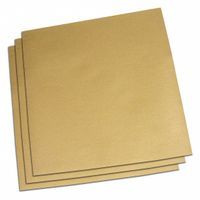
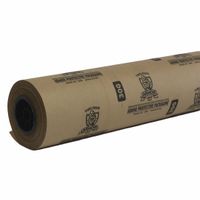
- VCI Paper: Made from kraft paper infused with VCI chemicals. It is biodegradable and environmentally friendly.
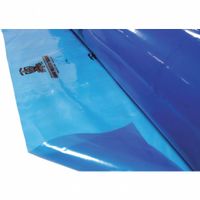
- VCI Film: Composed of polyethylene or other plastic materials embedded with VCI compounds. It is more durable and moisture-resistant.
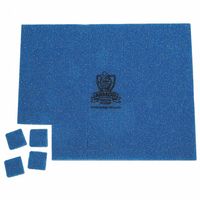
- VCI Pads: Typically made from foam or fabric materials saturated with VCI agents. They are flexible and can be cut to size.
Application:
- VCI Paper: Used for wrapping or interleaving between metal parts. Ideal for small to medium-sized items.
- VCI Film: Used for wrapping, covering, or creating sealed environments. Suitable for larger items or when moisture resistance is crucial.
- VCI Pads: Placed in confined spaces or containers to emit VCI vapors. Useful for complex shapes or hard-to-reach areas.
Protection Duration:
- VCI Paper: Offers short to medium-term protection, typically up to 24 months.
- VCI Film: Provides medium to long-term protection, often up to 5 years, depending on thickness and conditions.
- VCI Pads: Generally offer medium-term protection, similar to VCI paper, but can vary based on the pad's size and concentration.
Cost:
- VCI Paper: Generally the most cost-effective option.
- VCI Film: More expensive due to material and durability.
- VCI Pads: Cost varies based on size and VCI concentration.
Environmental Impact:
- VCI Paper: Biodegradable and recyclable.
- VCI Film: Less environmentally friendly due to plastic content.
- VCI Pads: Environmental impact depends on the base material used.