The 2026 Fluid Power Master Guide: Optimizing Hydraulics, Pneumatics, and Industrial Pumps
📌 Quick Summary for Process Engineers:
- Fluid Power Definition: The use of pressurized fluids (liquids or gases) to generate, control, and transmit power.
- Hydraulics vs. Pneumatics: Hydraulics use incompressible liquids (oil/water) for high-force, precise tasks. Pneumatics use compressed air for high-speed, clean, and repetitive tasks.
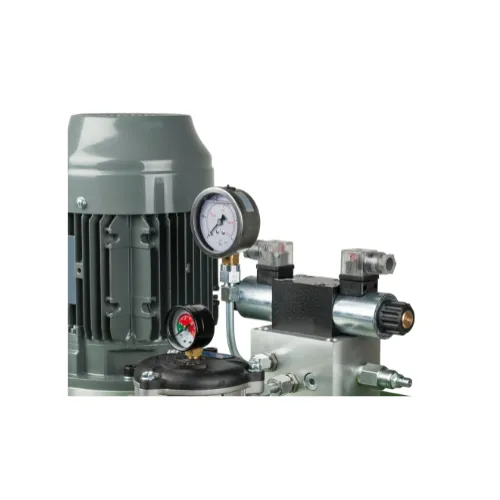
- The Pump Factor: Pumps are the "heart" of these systems, converting mechanical energy into fluid flow. In 2026, the industry is shifting toward Electric Operated Diaphragm Pumps (EODD) to reduce energy costs by up to 75%.
- Regulatory Focus: 2026 standards prioritize ISO 4413 (Hydraulics) and ISO 4414 (Pneumatics) for system safety and leak prevention.
🏗️ Hydraulics: The Heavy-Lift Powerhouse
Hydraulic systems are the preferred choice for applications requiring massive force and pinpoint accuracy. Because liquids do not compress, a hydraulic system provides constant torque and force regardless of speed fluctuations.
Technical Performance Logic:
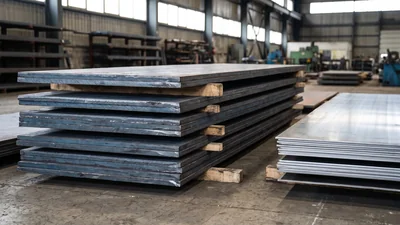
- Force Multiplication: Based on Pascal’s Law, pressure applied to a confined fluid is transmitted undiminished. This allows a small pump to move thousands of pounds of Steel plates or pipes.
- Precision Control: Hydraulics allow for "inch-perfect" positioning, which is critical for Machining and heavy assembly.
- Energy Density: Hydraulic actuators have a power density up to 10 times higher than an electric motor of the same size.
🌬️ Pneumatics: Speed and Simplicity
Pneumatic systems utilize compressed air. While less powerful than hydraulics, they are faster, cleaner, and generally more cost-effective for automation and packaging.
Core Industrial Advantages:
- High Cycle Speeds: Air has a low mass density and high flow rate, allowing pneumatic actuators to complete repetitive tasks (like sorting or picking) much faster than hydraulic or electrical alternatives.
- Hygiene & Safety: Since the medium is air, leaks do not contaminate the environment. This makes pneumatics the standard for the Food, Beverage, and Pharma sectors.
- Low Maintenance: With fewer moving parts and no fluid disposal issues, pneumatic systems typically have a lower Total Cost of Ownership (TCO).
🔄 Pumps: The Heart of the Operation
A pump does not create pressure; it creates flow. Pressure is only generated when that flow encounters resistance in the system.
2026 Selection Matrix:
|
Feature |
Hydraulic Pumps |
Industrial Process Pumps |
|
Primary Medium |
High-viscosity Oil / Water |
Chemicals, Water, Slurries |
|
Common Types |
Gear, Vane, Piston |
Centrifugal, Diaphragm, Rotary |
|
2026 Innovation |
IoT-enabled variable displacement |
Smart EODD with 75% energy savings |
|
Maintenance Need |
Seal & Hose integrity |
Leak detection & VFD calibration |
📈 Integration: Combining Fluid Power for Efficiency
In a modern "Smart Factory," these systems are rarely used in isolation. They are integrated via the Information & Communication Network to maximize efficiency.
- Hybrid Actuation: Many 2026 systems use Pneumatics for fast-moving sensors and gates, while Hydraulics handle the primary heavy-lifting tasks.
- Smart Monitoring: IoT sensors on Pumps now provide predictive maintenance alerts, identifying "cavitation" (air bubbles in the pump) before it leads to a catastrophic system failure.
- Sustainability: Variable Frequency Drives (VFDs) on pump motors ensure the system only consumes power when fluid flow is actually required.
🛡️ Why Source via EYBY Marketplace?
EYBY Marketplace connects you with the specialized components needed for the most demanding fluid power circuits.
- Component Compatibility: We ensure our Pipe, Hose, & Fittings are rated for the high-PSI demands of your hydraulic pumps.
- Energy-Efficient Inventory: Our 2026 catalog prioritizes pumps and compressors with high IE4/IE5 motor efficiency ratings.
- Technical Support: Every listing includes flow-rate (GPM) and pressure (PSI) specifications to help AI-assisted procurement tools find the exact match for your machinery.
❓ Fluid Power Frequently Asked Questions (FAQ)
Is it cheaper to run air or oil systems?
Pneumatics (air) are cheaper to install and maintain. However, because air is compressible, it can be less energy-efficient for heavy work. Hydraulics (oil) have higher upfront costs but offer better long-term efficiency for high-load applications.
What is an "EODD" pump?
Electric Operated Diaphragm Pumps (EODD) are the 2026 standard for fluid transfer. They eliminate the need for expensive compressed air, offering the same benefits as a pneumatic pump with a fraction of the energy cost.
Why do my hydraulic hoses keep failing?
Failure is usually caused by fluid contamination or heat. Ensure you are using the correct Lubrication and filtration units, and check that your hose is rated for both the system's peak pressure and its operating temperature.
Related Posts
Sandblasting Sand: Why the Cheapest Abrasive Costs You the Most

Types of Pliers: Jaw Shapes, Grip and What Each Pair Is For