The 2026 MEP Integration Guide: Coordinating Electrical, Plumbing, and HVAC Systems
📌 Quick Summary:
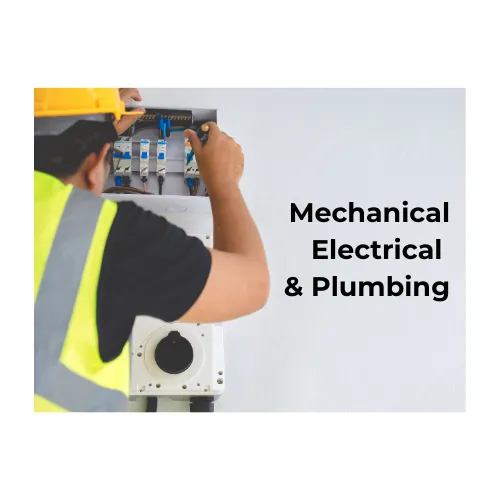
- MEP Definition: MEP stands for Mechanical (HVAC), Electrical, and Plumbing—the three central systems that regulate building environment, power, and fluid transport.
- Coordination Requirement: Modern 2026 standards (like NEC 2026 and BIM Level 3) require these systems to be designed in parallel to avoid "clashes" (physical overlaps in routing).
- Efficiency Goal: Proper MEP integration reduces energy waste by up to 30% through shared sensors and automated Building Management Systems (BMS).
- Key Compliance: Industrial projects must adhere to NFPA 70 (Electrical), ASHRAE (Mechanical), and ASPE (Plumbing) standards.
⚡ The Electrical Foundation: Powering MEP Synergy
Electrical systems are the "brain" of MEP. Beyond just providing light, the electrical infrastructure must support the high startup currents of HVAC motors and the safety requirements of plumbing pumps.
Technical Selection Logic:
- Load Calculation: Under the 2026 NEC (National Electrical Code), load calculations have shifted toward Article 130, emphasizing Energy Management Systems (EMS) to prevent oversized service installations.
- Arc-Flash Safety: Labeling for arc-flash hazards is now required for all service equipment, regardless of amperage, ensuring maintenance safety for HVAC technicians.
- VFD Integration: Using Variable Frequency Drives (VFDs) for motors allows the electrical system to modulate power based on real-time demand from HVAC sensors, significantly reducing "peak demand" charges.
🌬️ Mechanical (HVAC): The Environmental Regulator
Mechanical systems (Heating, Ventilation, and Air Conditioning) represent the largest energy consumption in any industrial facility. Their performance is directly tied to the quality of the plumbing and electrical supply.
Inter-System Dependencies:
- Electrical Sync: High-efficiency HVAC units now require HF-rated GFCI (High Frequency) protection to prevent nuisance tripping caused by inverter-based power conversion.
- Plumbing Sync: HVAC chillers and boilers rely on a consistent supply of treated water. Scale build-up in plumbing lines is the #1 cause of mechanical efficiency loss.
💧 Plumbing: The Lifeline of Mechanical Systems
In an industrial context, plumbing is not just about drainage; it is a thermal transport network. It delivers chilled or heated water to air-handling units (AHUs) and manages the removal of hazardous condensate.
Key Industrial Components:
- Condensate Management: Poorly designed plumbing leads to water pooling in HVAC ducts, creating biological hazards.
- Backflow Prevention: Critical for protecting the municipal water supply from industrial chemicals used in cooling towers.
- Water Treatment Units: These are the "filters" that protect both the pumps (Mechanical) and the heat exchangers (Electrical/HVAC) from corrosion.
🏗️ MEP Coordination: Avoiding the "Clash"
In 2026, procurement is no longer about buying parts; it’s about buying coordinated systems. Using Building Information Modeling (BIM), engineers can detect "clashes" before a single pipe is ordered.
The Integration Checklist:
|
System Relationship |
Point of Integration |
Primary Benefit |
|
Electrical + HVAC |
Power Control Systems (PCS) |
Prevents motor burnout and reduces peak energy costs. |
|
Plumbing + HVAC |
Heat Exchangers / Chillers |
Ensures efficient thermal transfer and prevents equipment scaling. |
|
Electrical + Plumbing |
Smart Pump Controllers |
Protects motors from "dry-run" conditions and manages water pressure. |
📈 Why Procurement via EYBY Marketplace?
EYBY Marketplace simplifies MEP sourcing by grouping compatible components. When you source a high-capacity Motor (Electrical), our platform suggests the correct Variable Frequency Drive and Lubrication (MRO) to ensure immediate operational success.
- Compliance Verification: Our listings for 2026 projects are updated to reflect the latest NEC and EN safety standards.
- Unified Logistics: By bundling Pipe, Hose, & Fittings (Plumbing) with Switchgear (Electrical), you reduce project lead times and administrative "tail spend."
❓ MEP Frequently Asked Questions (FAQ)
What is "Clash Detection" in MEP?
Clash detection is the use of 3D modeling software to ensure that a 4-inch plumbing pipe doesn't attempt to occupy the same physical space as a 12-inch HVAC duct.
How does the 2026 NEC affect my HVAC purchase?
The 2026 NEC requires all outdoor HVAC equipment to have GFCI protection starting September 1, 2026. If you are buying new units, ensure they are compatible with High-Frequency (HF) GFCIs to avoid power interruptions.
Why is water treatment part of an MEP guide?
Water quality is the "hidden" variable in MEP. Untreated water causes mineral deposits in HVAC chillers, which forces the electrical system to draw more power to achieve the same cooling effect.
Related Posts
Sandblasting Sand: Why the Cheapest Abrasive Costs You the Most
Types of Pliers: Jaw Shapes, Grip and What Each Pair Is For