Power Cables vs Control Cables: Key Differences, Uses & Buying Guide for Modern Projects
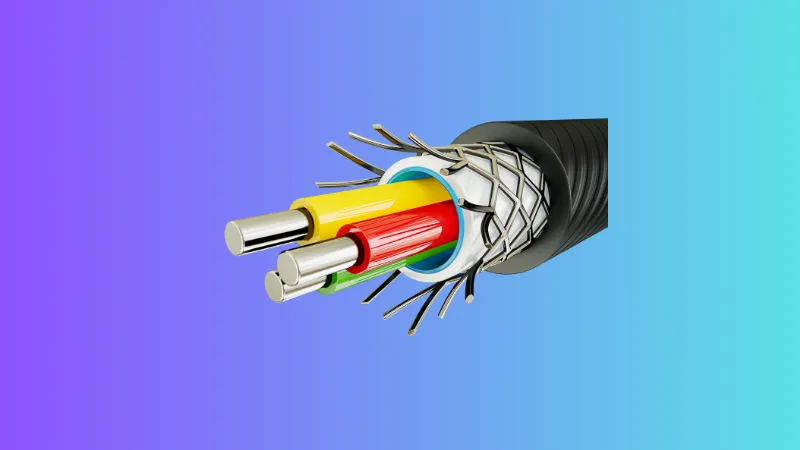
Modern construction and industrial projects rely on different cable types to perform very specific roles. Two of the most commonly confused are power cables and control cables. While they may look similar on the outside, their function, design, and application are very different.
This guide breaks down the real differences, when to use each, and how to choose the right cable for your project — whether residential, commercial, or industrial.
🔑 Key Takeaways (Quick Read)
-
Power cables transmit electrical energy to equipment and buildings
-
Control cables transmit signals for monitoring and automation
-
Power cables carry high voltage and current; control cables do not
-
Using the wrong cable can lead to equipment failure or safety risks
-
Always match cable type to load, environment, and standards
What Is a Power Cable?
A power cable is designed to carry electrical power from a source (utility, generator, transformer) to loads such as buildings, machines, or panels.
Common Applications
-
Residential and commercial building wiring
-
Industrial machinery power supply
-
Distribution boards and switchgear
-
Underground and overhead installations
👉 Typical options include PVC insulated power cables and XLPE insulated power cables, available in single-core and multicore formats.
Explore power cable options on Eyby:
Power Cables (PVC & XLPE) for low, medium, and high-voltage applications
What Is a Control Cable?
A control cable carries signals, not power. These signals are used to control, monitor, or automate equipment.
Common Applications
-
Control panels and automation systems
-
PLCs and instrumentation circuits
-
Conveyor systems and motor control centers
-
Factory and plant automation
Control cables usually have:
-
Smaller conductor sizes
-
Multiple cores
-
Numbered or color-coded insulation for easy identification
Browse control & instrumentation cables on Eyby:
Control & Instrumentation Cables for industrial automation and signaling
Power Cables vs Control Cables: Side-by-Side Comparison
| Feature | Power Cables | Control Cables |
|---|---|---|
| Primary Function | Transmit electrical power | Transmit control signals |
| Voltage Level | Medium to high | Low |
| Current Capacity | High | Low |
| Conductor Size | Larger | Smaller |
| Typical Use | Power supply | Automation & monitoring |
| Risk if Misused | Overheating, failure | Signal loss, malfunction |
Where Cable Accessories Fit In
Both power and control cables require proper termination, jointing, and protection to perform safely and reliably.
Common accessories include:
-
Cable glands
-
Lugs and ferrules
-
Heat shrink and insulation kits
Find compatible cable accessories on Eyby:
Cable Accessories for safe termination and long-lasting installations
How to Choose the Right Cable for Your Project
When selecting between power and control cables, ask these questions:
-
Is the cable supplying energy or transmitting signals?
-
What voltage and current are involved?
-
Will the cable be installed indoors, outdoors, or underground?
-
Are there heat, chemical, or mechanical stress factors?
For power transmission, choose certified PVC or XLPE power cables.
For automation and signaling, select purpose-built control cables.
Common Mistakes to Avoid
-
❌ Using control cables to carry power loads
-
❌ Ignoring insulation type and temperature rating
-
❌ Poor termination due to missing accessories
-
❌ Selecting cables without checking standards compliance
These mistakes often lead to downtime, safety hazards, and costly replacements.
Standards & Compliance (Why It Matters)
Quality cables should comply with recognized standards such as:
-
IEC
-
BS
-
KEBS (Kenya Bureau of Standards)
On Eyby, vendors list cables that meet local and international compliance requirements, helping buyers make informed decisions.
Final Thoughts
Power cables and control cables serve completely different roles, even though they may appear similar. Understanding the difference ensures:
-
Safer installations
-
Better system performance
-
Longer equipment lifespan
Whether you’re powering a building or automating a production line, choosing the right cable type is not optional — it’s essential.
Related Posts
Sandblasting Sand: Why the Cheapest Abrasive Costs You the Most
Types of Pliers: Jaw Shapes, Grip and What Each Pair Is For